Inside China's Digital Operating System
Moonie Zhu decodes China's innovation ecosystem for a living, helping business leaders understand what's next in commerce, AI, robotics and cross-border growth, translating what's already happening inside China's digital reality into something Western executives can actually use.


Moonie Zhu decodes China's innovation ecosystem for a living, helping business leaders understand what's next in commerce, AI, robotics and cross-border growth, translating what's already happening inside China's digital reality into something Western executives can actually use.
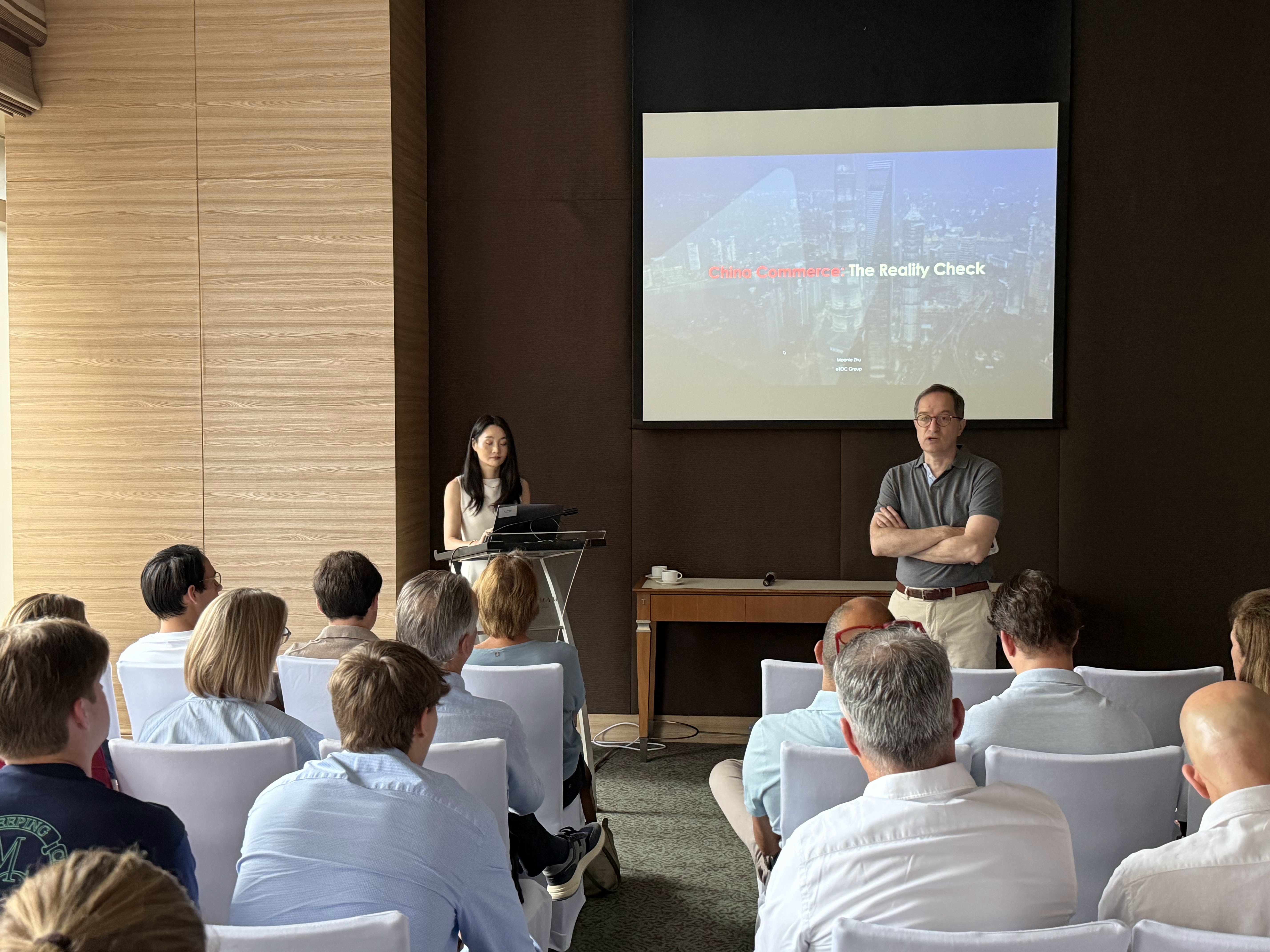
During nexxxworks’ Youth Tour in July 2026, co-moderated by Moonie, she gave a fast, dense walkthrough of why China so often feels like it's a few years ahead.
Turns out it’s not because they produce flashier gadgets. Throughout the talk she uncovered a different operating system for commerce, running underneath everything.
The numbers aren't the point
China's digital footprint is genuinely massive: over a billion people online,roughly 970 to 980 million online shoppers, mobile payment penetration near 90%. But dwelling on scale misses what's actually going on underneath it. China didn't just move retail online. It digitized behavior.
In the West, the consumer journey is fragmented on purpose, or at least by inertia — search on one site, compare on another, checkout on a third, loyalty program somewhere else entirely. In China, brands don't build funnels, they build ecosystems.
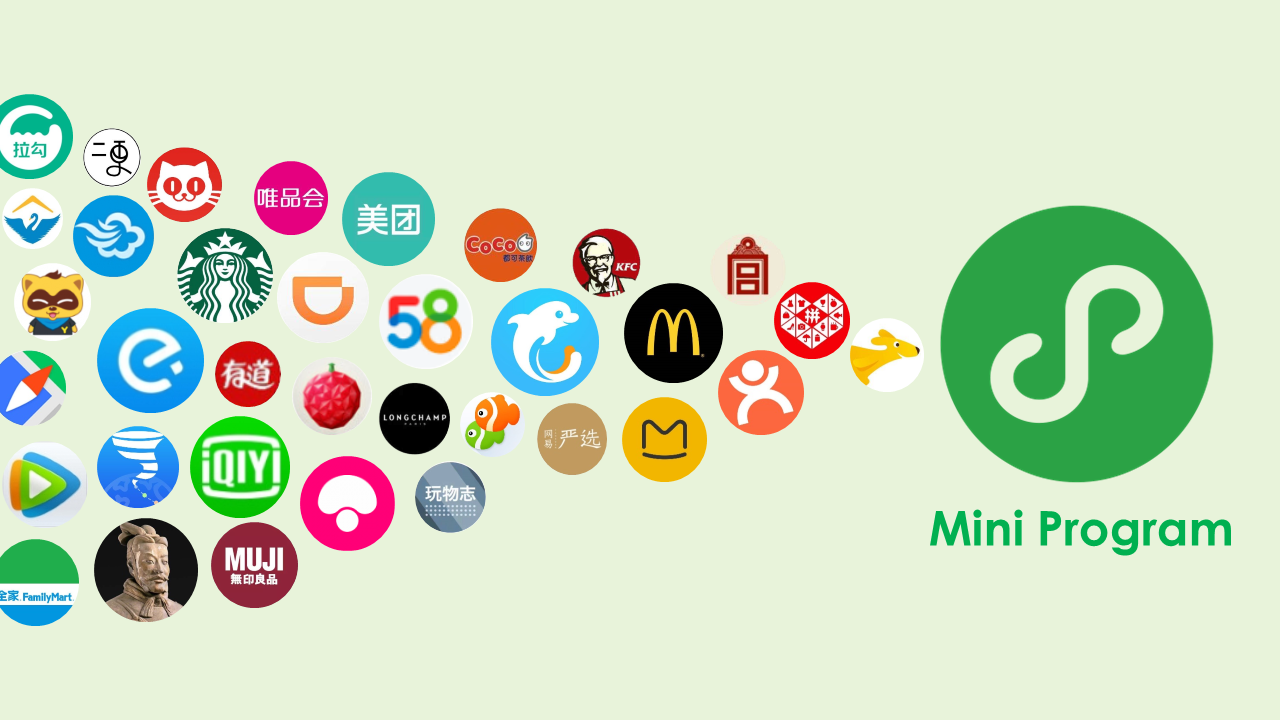
Take WeChat. Outside China it registers as a messaging app. Inside it, WeChat is chat, payments through WeChat Pay, loyalty programs, community management, all stitched together. "This super app isn't just a feature," as the session framed it, "it's a mindset." Layer on Taobao and Tmall (Alibaba's marketplace and its brand-official storefronts — eBay and Amazon in one), Douyin (TikTok's Chinese original, where the feed doubles as a checkout), Baidu (search, the local Google), Pinduoduo (group-buy bargain hunting, the domestic sibling of Temu), JD.com (first-party retail on its own logistics network, the closest thing to Amazon), and Meituan (food delivery, restaurant bookings, cinema tickets and hotels — DoorDash, Yelp and Booking.com folded together), and you get a toolkit most people move through all day without ever really leaving it.
Why RED isn't "the Chinese Instagram"
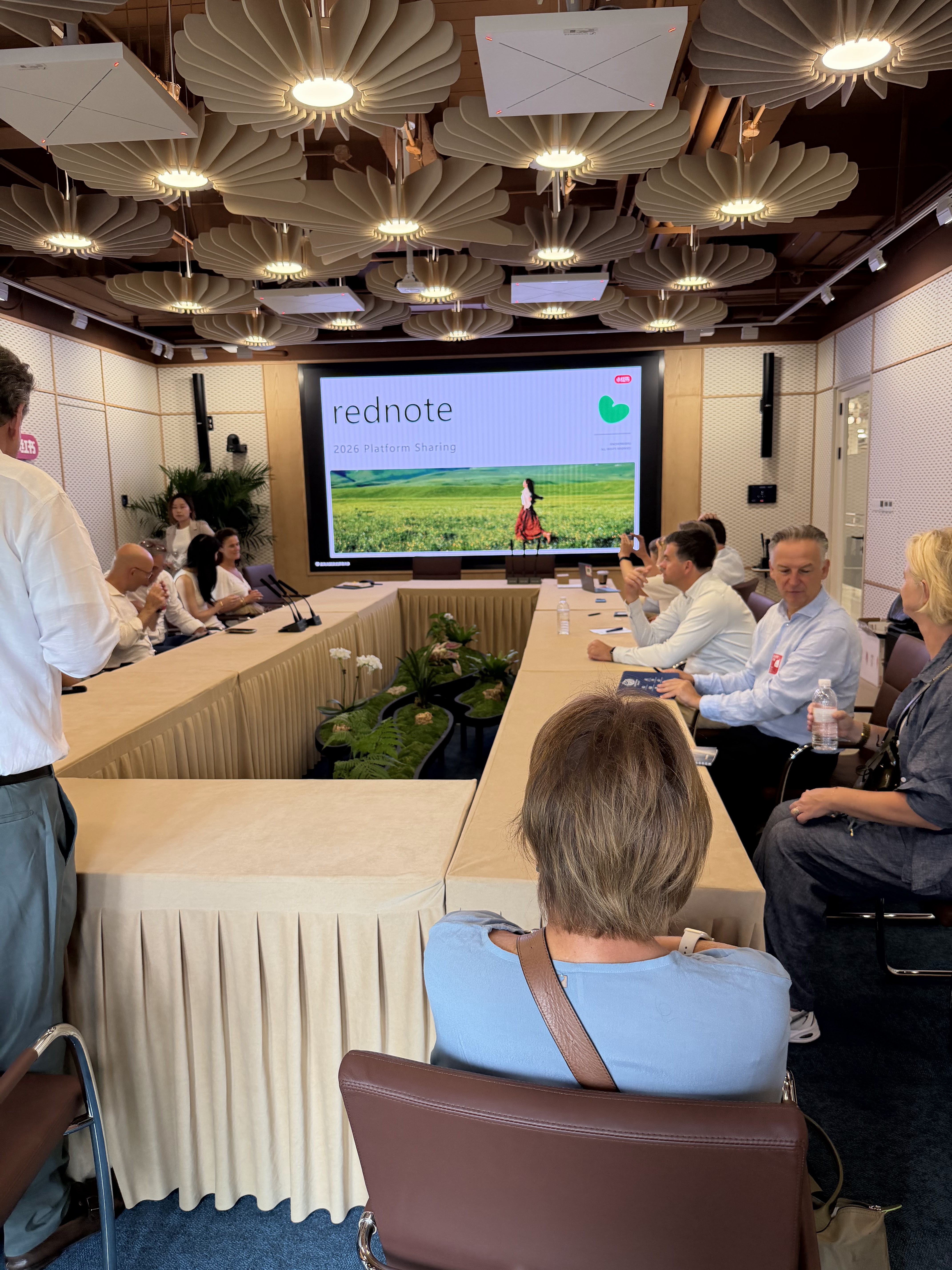
People compare Xiaohongshu (RED, Little Red Book) to Instagram constantly, and it's a lazy comparison. Instagram shows you what your friends are doing. RED exists to help you decide what to buy, which is a different job entirely.
Estimates currently put RED above 300 to 400 million monthly active users. Around 70% women. Heavily Gen Z and Millennial. Concentrated in Tier 1and Tier 2 cities — exactly the affluent, high-spending crowd every brand wants. Before buying almost anything, people search it on RED first, check what the KOLs and KOCs are saying, read the reviews. Skip the platform and you skip the reviews, the visibility, and eventually the sales. The line from the session was blunt: brands that don't invest in content there "become irrelevant, because people do not find your footprint."
Western platforms are still largely built around advertising. Chinese platforms are built around conversion. That's a structural difference, and it shows up everywhere once you start looking for it.
Shopping, but as a spectator sport
This is the part that's easy to underestimate from a distance: shopping in China is entertainment, and live commerce is one of the most effective sales channels going.
One example that circulated during the talk: Douyin streamer Zheng Xiang Xiang went viral in 2023 with an almost aggressively minimal format. No pitch. Product held up for about three seconds against a backdrop of stacked orange, Hermès-style boxes, price stated, on to the next one. The products themselves mostly cost under 10 yuan. Result: something like10 million units sold and roughly $18.7 million earned in a single week, enough to push Douyin into writing new disclosure rules.
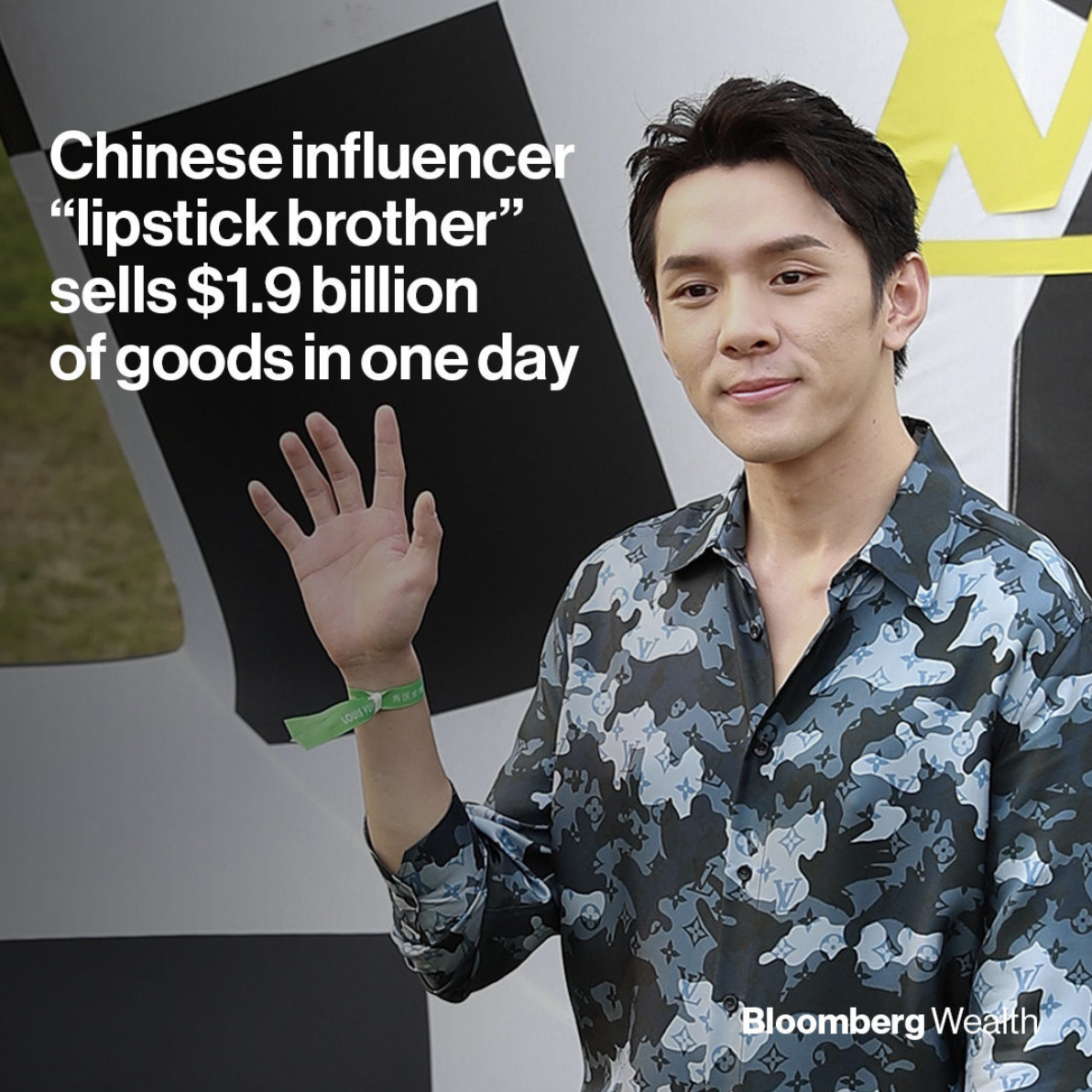
Then there's Li Jiaqi, the "LipstickKing." Former L'Oréal counter assistant, now China's most famous livestreamer, who once sold 15,000 lipsticks in five minutes against Jack Ma in a stunt and pulled in somewhere near $1.7 to $1.9 billion in a single 12-hour Singles' Day stream at his peak. Not outliers so much as proof that the format works at almost any scale.
And increasingly the host isn't even a person. AI avatars trained on real streamers, running on large language models, take over broadcasts for hours after the human logs off, reading comments and closing sales in real time.
The privacy trade nobody in Europe wants to make
One of the sharper contrasts of the morning: European data privacy norms treat almost any tracking as suspect, sometimes to the point of skipping basic security like a doorbell camera even after a nearby break-in. In China, the calculation runs the other way. People hand over data because the platforms give something back immediately — no lines, no friction, fast delivery, and in a handful of cities, drone drop-offs for food and drinks.
Whatever you make of the trade, the practical result is a shopping experience with almost no friction in it anywhere. Search, discovery, decision, payment, one app, Alipay or WeChat Pay handling the rest.
This isn't staying inside China
How Europeans should look at this? Chinese-owned brands are already running this playbook against Western competitors on Westerns oil.
Anta Sports, through its stake in Amer Sports, now controls Salomon, Arc'teryx, Wilson and a handful of other heritage Western outdoor brands. Salomon started life as a serious French Alpine hiking-bootmaker. It's now a streetwear label worn by celebrities at events like the SuperBowl, built there by seeding thousands of creators on RED and Douyin who taught Gen Z how to style trail shoes with everyday streetwear. And it doesn't stop online — that discovery loop feeds into WeChat mini-programs and offline events, city runs, pop-ups, so the physical stores end up working as community hubs rather than just checkout counters.
JD.com took a majority stake in Ceconomy, the German parent of MediaMarkt and Saturn, Europe's largest electronics retailer with more than 1,000 stores across 11 countries. The idea is to plug Chinese-speed logistics directly into that physical footprint and cut delivery times that currently stretch into weeks.
What comes after discovery
The next shift is already underway: from discovery-driven commerce toward agent-driven commerce. China's AI agent wave, kicked off in early 2025 by the startup Manus (invite codes briefly resold for hundreds, sometimes thousands of dollars), has a growing list of Chinese platforms building agents that browse, compare and buy on someone's behalf, not just chat with them. Western e-commerce spent a decade optimizing for search.Chinese e-commerce spent the last one on content-driven discovery. Whoever wins the next round is whoever wins when the shopper on the other end is an agent instead of a person scrolling a feed.
Four lines from the close
- Stop searching, start discovering.
- Stop selling, start entertaining.
- Stop transacting, start experiencing.
- Stop silos, start ecosystems.
Copying China wholesale isn't really the takeaway here, regulatory and cultural realities are too different for that. But European commerce is still largely stuck thinking in channels, and Chinese brands, platforms and consumers have already moved past that into thinking in ecosystems. Anta and JD are the proof it doesn't stay contained.